
California Lawmakers Advance Bill to Increase Penalties for Disrupting Worship Services
February 26, 2026
California lawmakers are considering a bill that would strengthen legal protections for churches and other houses of worship from acts of intentional disruption and interference.
Christianity Daily reports that Senate Bill 1070, authored by Republican state Sen. Shannon Grove, would amend California’s penal code provisions dealing with interference in religious gatherings.
Current California law treats the intentional disturbance of a worship service as a misdemeanor, punishable by up to a year in jail and/or a $1,000 fine.
The proposed law would give prosecutors flexibility to determine whether to pursue misdemeanor or felony charges depending on the seriousness, coordination or repeated nature of the conduct.
SB 1070 would authorize felony-level penalties, including fines of up to $5,000 and potential jail time of 16 months and includes provisions for mandatory community service.
According to Christianity Daily, offenders could be required to complete between 50 and 80 hours of service, with repeat violators facing 120 to 160 hours.
In a press release, California Family Council Vice President Greg Burt said, “Churches are not political rally venues or protest stages. They are sacred spaces where families gather to worship God in peace.”
Burt added, “When agitators intentionally invade or obstruct services, they are not exercising free speech. They are trampling on the religious liberty of others. California must send a clear message that worship services will be protected.”
The proposed legislation follows several widely publicized incidents since January, including a disruption at the Mission Church in Carlsbad with protesters blocking entrances, activating loud sirens, chanting slogans and confronting attendees as they arrived for services.
Supporters of the bill say stronger penalties are needed to prevent such incidents and to ensure that religious services can proceed without intimidation or obstruction.
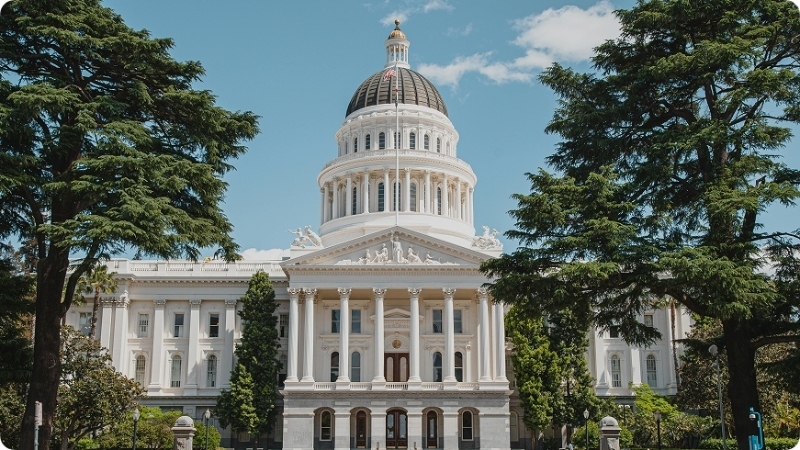
Photo: top, Credit: California State Assembly website