
‘Dignity Act’ seeks to overhaul immigration amid crisis: ‘Revolutionary bill’
May 11, 2026
A 261-page bill of proposed immigration reform legislation has been gaining bipartisan momentum since being introduced in the U.S. House of Representatives last July.
The Christian Post reports that The Dignity Act, formally known as the “Dignity for Immigrants while Guarding our Nation to Ignite and Deliver the American Dream (DIGNIDAD) Act of 2025,” seeks to overhaul the immigration system and address the crisis of illegal immigration.
The bill, which follows previous tabled iterations from 2022 and 2023, offers provisions such as securing the border, implementing enforcement measures, repairing the asylum system and providing temporary legal status for long-term illegal immigrants.
The bill has secured 39 co-sponsors, including 19 Republicans, and endorsements from more than 60 national organizations since being introduced by Reps. María Elvira Salazar (R-FL) and Veronica Escobar, (D-TX).
According to the Christian Post, some Republican critics have dismissed the bill as a backdoor attempt to provide amnesty.
Among the proposed legislation’s notable features are enhanced border security and better pay for the Border Patrol.
Approximately $2 billion per year would be authorized for port-of-entry improvements until 2030, and minimum pay for Border Patrol agents would be increased.
The Dignity Act would also establish a nationwide mandatory system of verifying work authorization for employees to ensure U.S. employers are not hiring illegal immigrants.
Employers would be required to confirm employees’ legal status by using a new E-Verify system managed by the U.S. Department of Homeland Security.
The bill also seeks to improve the asylum system by establishing at least three “humanitarian campuses” near the border to expedite on-site processing.
The act would also feature a “Dignity Program,” providing a seven-year deferred action program and temporary legal status for illegal immigrants who had been in the U.S. five years or more before Dec. 31, 2020.
The proposed law would also exclude millions of migrants who entered the U.S. under the Biden administration while providing a pathway for so-called DACA recipients and “Dreamers.”
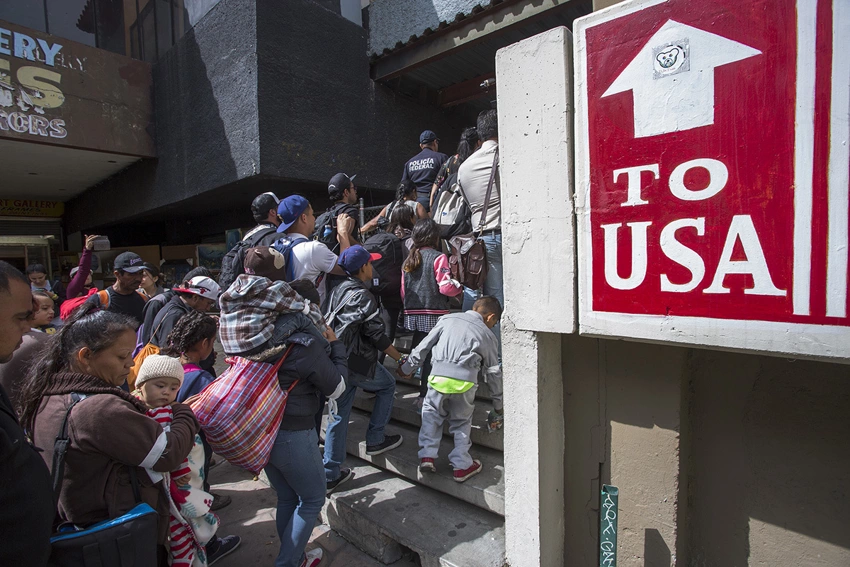
Photo: top, Credit: David McNew/Getty Images